Water-Damage Mold Cleanup in Los Angeles
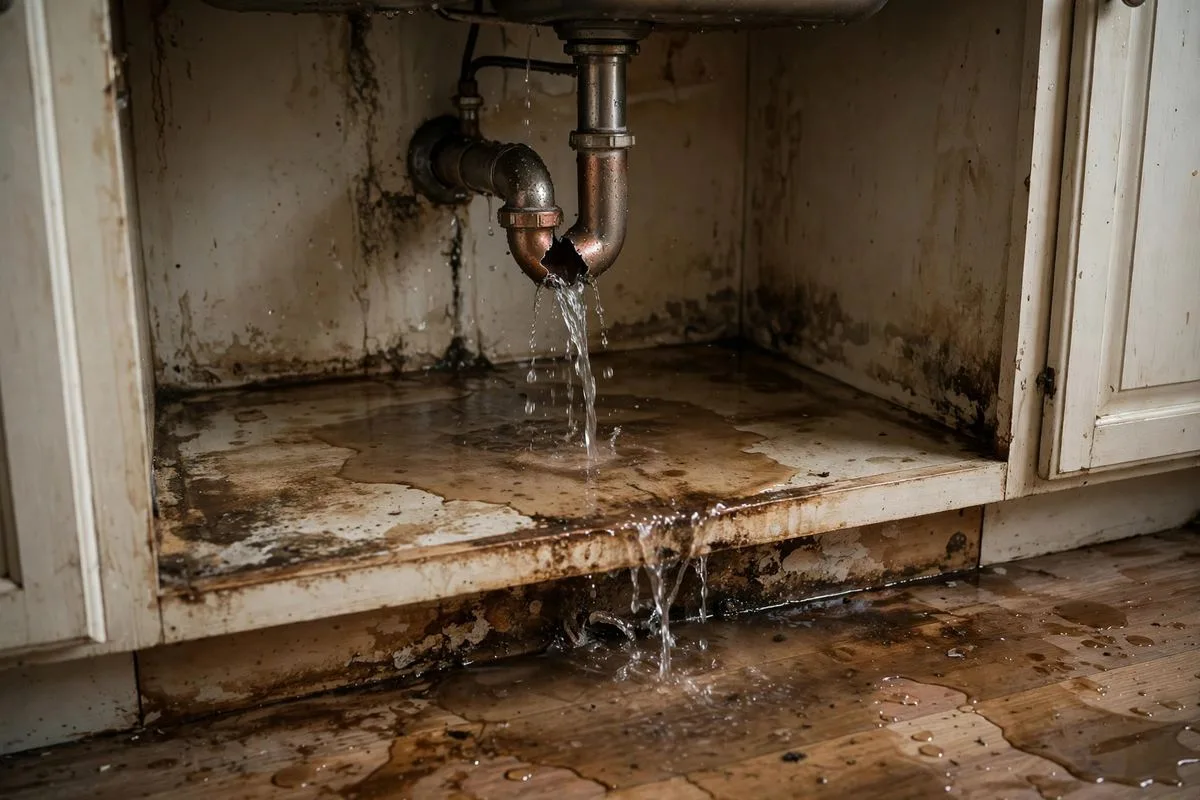
Water-damage mold cleanup in Los Angeles is the drying and cleanup of a home after a leak, a burst pipe or a flood, carried out with the aim of preventing mold from taking hold. The work is about the water first and the mold second: remove the standing water, find how far it spread, dry the structure, and remove the materials that cannot be dried. Mold Removal Experts LA does not perform this work itself. This site connects you with independent local providers, and the provider who takes your job performs the cleanup and discusses the scope with you.
This page covers water damage only as it relates to mold. It is not a general water damage restoration page, and it does not cover plumbing repair, structural rebuilding or flood restoration as services in their own right. The question it answers is the mold question: after water damage, what has to happen, and how quickly, so that mold does not become the next problem.
Mold after water damage: the 24 to 48 hour window
Mold can begin growing within 24 to 48 hours on damp materials, and that window is the reason water-damage mold cleanup is time-sensitive. Drywall, insulation, carpet padding, wood and paper-faced materials that stay wet for a day or two provide everything mold needs: moisture, food and still air. The growth starts small and unseen, inside wall cavities and under flooring, and it becomes visible only later.
That window does not mean the job is lost after two days. It means the first steps matter most, and they are the steps a homeowner can take before a provider arrives: stop the water, remove standing water, and get air moving through the affected area. A provider who arrives on the second or third day can still dry the structure and remove the materials that cannot be dried. But every day the materials stay wet, the affected area grows, and the cleanup becomes larger.
- Mold can begin growing within 24 to 48 hours on damp materials
- Growth starts unseen, inside walls and under flooring
- Stop the water and remove standing water first
- Get air moving through the affected area
- Every day the materials stay wet, the affected area grows
How far water spreads
Water spreads further than the visible wet area. It wicks up drywall, runs along joists, seeps under flooring and into wall cavities, and pools in the lowest places. A leak in an upstairs bathroom can wet the ceiling and walls of the room below. A burst pipe in a wall can wet the insulation and the framing on both sides. A flood can push water under baseboards and into the subfloor across a whole room.
A provider finds the full extent with moisture readings taken through walls, floors and ceilings, mapping the wet area across the affected rooms. That map decides the scope of the cleanup: what needs to be dried, what needs to be removed, and what can stay. Without that mapping, a cleanup that only addresses the visible wet patch leaves wet materials behind, and mold grows there unseen.
- Water wicks up drywall and runs along joists
- It seeps under flooring and into wall cavities
- An upstairs leak wets the rooms below
- Moisture readings map the full extent
- The map decides what is dried, removed or kept
Drying the structure after water damage
Drying is not a matter of waiting for the area to feel dry. Moisture hides inside wall cavities, under flooring and in wood framing, and a surface that feels dry can still be wet enough inside to support mold growth. Providers measure moisture with meters that read through materials, and they keep air movers and dehumidifiers running until the readings reach the dry standard for each material.
The equipment matters. Air movers push dry air across wet surfaces, and dehumidifiers pull the moisture out of the air so the surfaces can keep drying. The two work together, and the provider monitors the readings over days, not hours, until the structure is genuinely dry. Fresh drywall never goes up over damp framing: rebuilding waits until the moisture readings say the structure is dry, and that standard is part of the job, not an optional extra.
- Moisture is measured with meters, not judged by touch
- Air movers and dehumidifiers work together
- Readings are monitored over days, not hours
- Fresh drywall never goes up over damp framing
- Rebuilding waits until the structure is dry
What is removed and what can be dried
Some materials can be dried and kept. Hard surfaces such as tile, glass and metal, and sound wood that has not been wet for long, can often be dried in place. Other materials cannot be dried reliably once they have been saturated: insulation, carpet padding, and drywall that has been soaked through are usually removed, because they hold moisture inside and provide food for mold even after the surface feels dry.
The provider's assessment decides which materials fall into each category for your job, and the written scope should list them before work begins. That list is also the basis for the insurance documentation, if a claim is involved: what was wet, what was removed, and what was dried. The insurance guide on this site explains the documentation providers supply for claims.
- Hard surfaces and sound wood can often be dried in place
- Saturated insulation and carpet padding are usually removed
- Soaked drywall is usually removed
- The written scope lists what is removed and what is dried
- The list supports insurance documentation if a claim is involved
Mold after a leak, a burst pipe or a flood
The cause of the water changes the cleanup, even though the drying process is similar. A leak from a supply line is clean water, and the cleanup is about drying and removing saturated materials. A burst pipe is the same, but with more water and a larger affected area. A flood from outside brings dirt and contaminants with the water, and the cleanup includes cleaning as well as drying. A sewage backup is contaminated water, and the cleanup follows stricter procedures, as the emergency mold removal page explains.
In every case, the mold question is the same: how long were the materials wet, and how far did the water go. The provider's moisture mapping answers both, and the scope of work follows from it. If the water was stopped quickly and the materials were dried within the first day or two, the mold risk is low. If the materials stayed wet for days, the cleanup includes mold removal as well as drying.
- Clean water from a leak or burst pipe: dry and remove saturated materials
- Flood water from outside: cleaning as well as drying
- Sewage water: stricter contaminated-water procedures
- The mold question is always how long and how far
- Quick drying keeps the mold risk low
What to do in the first hours after water damage
Stop the water if you can do so safely, and turn off electricity to affected areas if water is near outlets or appliances. Remove standing water with a wet vacuum, mops or towels if it is safe to do so, and move furniture and valuables out of the wet area. Open windows and doors for ventilation if the weather allows, and get air moving with fans in the affected area, unless the water is sewage, in which case keep everyone out and do not attempt to clean it yourself.
Take photos of the damage before anything is moved or removed, and note when the water started and what caused it. Those records support an insurance claim and help the provider understand the job. Then request help, and describe the water event clearly: what happened, when it started, whether the water is stopped, and how much of the home is affected.
- Stop the water safely; turn off electricity to affected areas
- Remove standing water and move valuables out
- Get air moving, unless the water is sewage
- Take photos and note when the water started
- Request help and describe the event clearly
Related pages
How a referral works
- Tell us about the mold. Where it is, how large the area looks, and whether there has been a leak or flood.
- We connect you with independent local providers. They do the inspection, testing, removal or remediation — we do not perform the work ourselves.
- The provider contacts you. They arrange the visit, explain what they found, and agree the work with you directly.
Frequently asked questions
How soon does mold grow after water damage?
Mold can begin growing within 24 to 48 hours on damp materials. That is why the first steps matter most: stop the water, remove standing water, and get air moving through the affected area. A provider who arrives on the second or third day can still dry the structure and remove the materials that cannot be dried.
What is the difference between water damage cleanup and mold remediation?
Water-damage mold cleanup is the drying and cleanup after water damage, aimed at preventing mold from taking hold. Mold remediation is the full process of dealing with mold that has already grown: assessment, containment, removal, drying and verification. Cleanup comes first; remediation follows if mold has already established itself.
Can a home be dried without removing drywall?
Sometimes, when the drywall was wet for a short time and the moisture readings show it can be dried. Drywall that has been soaked through, or that has been wet for days, usually has to be removed, because it holds moisture inside and provides food for mold. The provider's moisture readings decide which applies.
What should I do first after water damage?
Stop the water safely, turn off electricity to affected areas, remove standing water, and get air moving. Take photos and note when the water started. If the water is sewage, keep everyone out and do not attempt to clean it yourself. Then request help and describe the event.
Does insurance cover mold after water damage?
It depends on the policy and the cause of the water damage. Sudden and accidental water damage is often covered differently from long-term neglect, and flood damage is usually a separate policy. The insurance guide on this site explains the distinctions in general terms, and the documentation providers supply for claims. It is general information, not insurance advice.
How long does drying take after water damage?
It depends on how much water there was, how long the materials were wet, and the materials involved. Drying is monitored with moisture readings over days, not hours, until the structure reaches the dry standard. The provider who scopes the job can give a realistic timeframe after seeing it.
Request a referral
Please note: online requests are not connected yet — the request form for this domain is still being set up. Your details are not sent when you submit this form. For the fastest response, please call (945) 422-7665.
Need mold help in Los Angeles?
Tell us where the mold is and how large the area looks. We will connect you with an independent local provider.
Request a referral Call (945) 422-7665
Mold Removal Experts LA is a referral service. We do not perform mold inspection, testing, or remediation. We connect you with independent local providers who do the work.