Mold in HVAC Systems and Air Ducts in Los Angeles
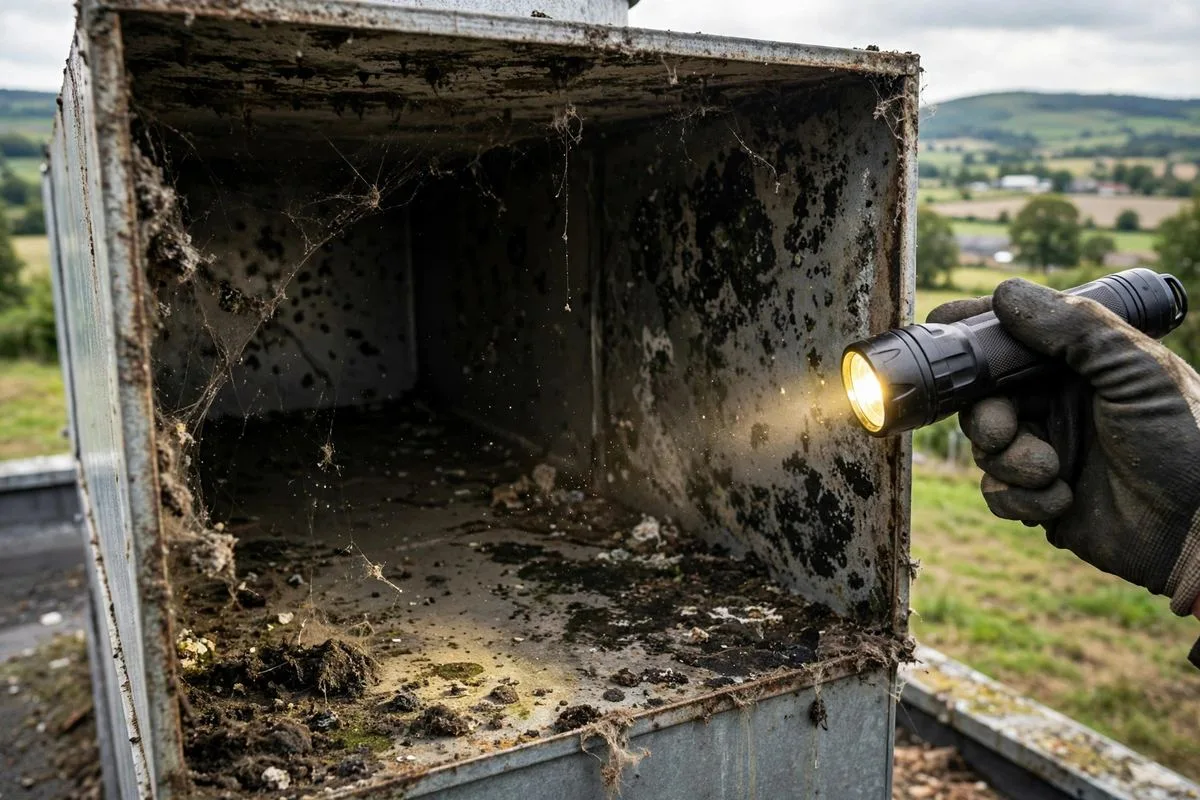
Mold in an HVAC system is a different problem from mold on a wall, because the system itself moves air — and spores — through the whole home. A patch of mold inside an air handler, on a cooling coil, or in ductwork can distribute spores to every room the system serves, which is why HVAC mold is taken seriously even when the visible growth looks small.
Mold Removal Experts LA is a referral service. We do not perform the work ourselves. We connect you with independent local mold providers, including providers experienced with HVAC systems, who inspect the equipment, identify the moisture source, and carry out the remediation. This page explains what HVAC mold is, how it is found, and how providers handle it.
One more thing to note before the visit: if the smell appears only when the system starts, tell the provider, and note which rooms smell strongest. That pattern points to the air handler or the ductwork, and it helps the provider decide where to look first. The sooner you note it, the better.
Why mold grows in HVAC systems
Los Angeles air conditioning runs hard through long, hot summers, and the cooling process creates condensation. That condensation is supposed to drain away through a condensate line. When the line clogs, the drain pan overflows, or the coil stays damp between cycles, moisture sits inside the unit — exactly where dust and organic debris collect. Dust on a damp coil or filter is food for mold.
Other common causes are oversized systems that short-cycle and never run long enough to dehumidify, ductwork running through hot attics or damp crawl spaces where condensation forms on the outside, and filters left unchanged for months. In Valley homes, where summer heat pushes systems to run almost constantly, condensate problems are a frequent trigger.
Signs of mold in your HVAC system
HVAC mold is often noticed by smell or by symptoms before it is seen, because the growth is inside equipment or ductwork. Look for these signs:
- A musty smell that appears when the system starts up and fades as it runs
- Visible growth on vents, registers, or around the air handler
- Water staining or standing water in the condensate drain pan
- Dust and debris buildup on the cooling coil or inside the air handler
- Uneven cooling or a system that runs constantly without dehumidifying
- A musty odour that is strongest in the rooms closest to the air handler
How providers inspect HVAC mold
An HVAC mold inspection is more involved than a room inspection, because the growth may be inside the air handler, the coil, the drain pan, or the ductwork. The provider opens the air handler, checks the coil and drain pan, looks inside accessible ductwork, and may take air or surface samples for laboratory analysis to identify what is growing and how widespread it is.
Testing is often part of an HVAC job, because it is hard to judge the extent of contamination by eye alone. A provider may also check the condensate drain, the filter, and the duct connections, since a leak at a duct joint can pull humid attic or crawl-space air into the system. The inspection report should explain what was found, where, and what the provider recommends doing about it.
How HVAC mold remediation works
Remediation starts with fixing the moisture problem: clearing or repairing the condensate drain, fixing a drain-pan leak, or addressing duct condensation. Without that, any cleaning is temporary. The provider then cleans the affected components — the coil, drain pan, and accessible duct surfaces — using methods suited to HVAC equipment, and replaces filters and any insulation or duct sections that cannot be cleaned.
Containment matters during HVAC work, because disturbing mold inside a system that moves air can spread spores through the house. Providers use containment and air filtration while they work, and the system stays off until the cleaning is done. After remediation, the provider should confirm the system is dry and the drain is working, and may recommend a follow-up air sample to check the result.
What HVAC mold work does not include
Mold remediation is not the same as duct cleaning, and the two are often confused. General duct cleaning removes dust from ductwork; mold remediation addresses growth on system components and the moisture that feeds it. A provider should be clear about which service you are getting. Mechanical repairs to the HVAC unit itself — such as replacing a failed blower motor — are a separate HVAC contractor's job, and the provider should say so when that work is needed.
Maintaining your HVAC system after mold remediation
After remediation, the maintenance that keeps mold from returning is the maintenance the system should have had all along. Change the filter on schedule — monthly during heavy summer use — and check the condensate drain line at the start of each cooling season. A drain line that is flushed clear once a year rarely clogs, and a clogged drain is the most common cause of HVAC mold in Los Angeles homes.
The provider should also tell you what to watch for: a musty smell when the system starts, water in the drain pan, or a system that runs constantly without cooling the house properly. Any of those is a reason to call the provider back rather than waiting for the next season. If the system is oversized and short-cycles, the provider or an HVAC contractor can discuss whether the fan settings or the system itself need attention — a system that never runs long enough to dehumidify will keep the house humid no matter how clean the coil is.
Related pages
How a referral works
- Tell us about the mold. Where it is, how large the area looks, and whether there has been a leak or flood.
- We connect you with independent local providers. They do the inspection, testing, removal or remediation — we do not perform the work ourselves.
- The provider contacts you. They arrange the visit, explain what they found, and agree the work with you directly.
Frequently asked questions
How often should I change my HVAC filter to reduce mold risk?
Check the filter monthly during heavy use in summer and change it when it looks dirty, following the manufacturer's guidance. A clogged filter restricts airflow, which can leave the coil damp and the system unable to dehumidify properly.
What is a condensate drain line, and why does it matter?
It is the pipe that carries condensation away from the cooling coil. When it clogs with algae or debris, the drain pan overflows and water sits inside the unit — one of the most common causes of HVAC mold. The provider checks the drain and the pan during an inspection.
Can UV lights in an HVAC system prevent mold?
UV lights are marketed to keep coils clean, and they can reduce growth on a coil surface, but they do not fix a clogged drain, a leaking pan, or duct condensation. They are an add-on, not a substitute for fixing the moisture source, and a provider can discuss whether one makes sense for your system.
Should air ducts be cleaned after mold remediation?
Duct cleaning and mold remediation are different services. After remediation, the provider advises whether duct sections need cleaning or replacement based on what the inspection found. Cleaning ducts that were never contaminated does not add protection.
What does HVAC mold testing involve?
Air samples taken from the system and the rooms it serves, and surface samples from the coil, drain pan, or ductwork, sent to a laboratory for analysis. Results typically take a few days, and the report shows what was found and where.
Will my HVAC system need to stay off during remediation?
Yes. The system stays off while work is underway, so spores released during cleaning are not distributed through the house. The provider turns it back on only after the cleaning is done and the system is dry.
Request a referral
Please note: online requests are not connected yet — the request form for this domain is still being set up. Your details are not sent when you submit this form. For the fastest response, please call (945) 422-7665.
Need mold help in Los Angeles?
Tell us where the mold is and how large the area looks. We will connect you with an independent local provider.
Request a referral Call (945) 422-7665
Mold Removal Experts LA is a referral service. We do not perform mold inspection, testing, or remediation. We connect you with independent local providers who do the work.