Ceiling Mold Removal in Los Angeles
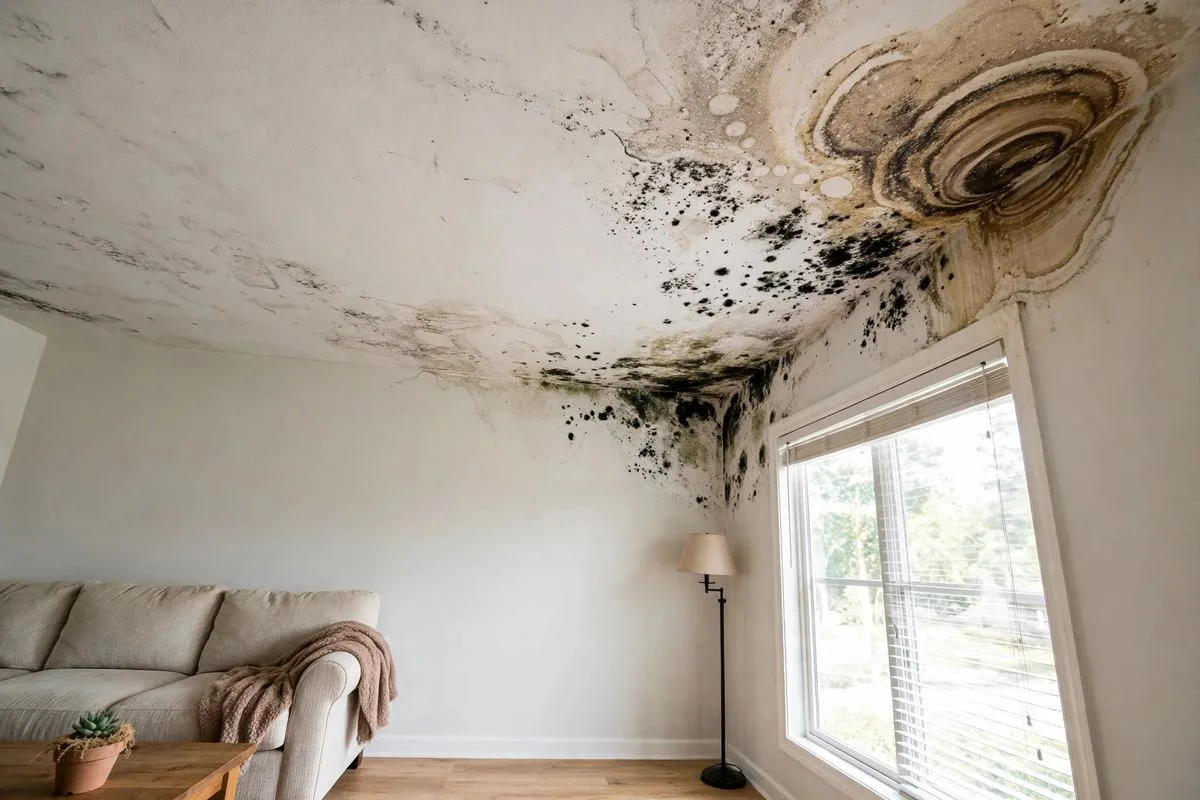
Mold on a ceiling almost always means water is coming from above. In Los Angeles, the usual sources are a roof leak, a plumbing leak from an upstairs bathroom, or condensation in a poorly ventilated bathroom. A ceiling stain that grows, a patch of dark growth, or paint that peels in one spot are all signs that water has been reaching the ceiling material for some time.
Mold Removal Experts LA is a referral service. We do not perform the work ourselves. We connect you with independent local mold providers who inspect the ceiling, trace the water to its source, and carry out the removal. This page explains how ceiling mold is found and handled, and why the leak above it has to be fixed first.
Before the inspection, note the pattern: does the stain darken after rain, or does it stay damp in dry weather? Does it drip, or only stain? A drip that follows rain points to the roof; constant dampness points to plumbing above. Photograph the stain from the same spot each time you check it, so the provider can see whether it is growing and how fast. Keep the photos with dates.
What causes mold on ceilings in Los Angeles
Roof leaks are the leading cause in single-story LA homes, especially older homes with flat or low-slope roofs. Winter rain finds its way through worn roofing, failed flashing around a vent or skylight, or a clogged scupper, and the water soaks the ceiling drywall from above. In two-story homes and apartments, the more common cause is plumbing: a leaking shower pan, toilet seal, or supply line in the bathroom above.
Bathroom ceilings are a special case. Steam from hot showers condenses on a cool ceiling, and if the exhaust fan is weak, missing, or never switched on, that moisture feeds mold on the paint and drywall surface. Surface mold from steam is different from mold caused by a leak above, and a provider can tell the two apart by checking moisture levels in the ceiling material.
Signs of mold on a ceiling
Ceiling mold often starts as a faint stain and only becomes obvious when it spreads. These are the signs to watch for:
- A brown or yellow water stain that grows or darkens after rain
- Dark spots or patches on the ceiling, especially in a bathroom or under a roof valley
- Paint that bubbles, peels, or sags in one area
- A musty smell in the room, strongest when you stand under the stain
- A ceiling that feels soft or spongy when pressed gently
- Drips or damp patches that appear during or after heavy rain
How providers handle ceiling mold
The provider first works out whether the moisture is coming from a leak above or from condensation in the room. A moisture meter shows whether the ceiling material is wet through or only damp on the surface. If a leak is suspected, the provider may look into the attic or the floor cavity above to find it. The water source must be stopped before remediation — a roofer or plumber may be needed for that part.
For the mold itself, the provider sets up containment below the affected area, removes the damaged ceiling material, and cleans and dries the framing and cavity above it. Small surface patches from bathroom steam can sometimes be cleaned without removal, but growth caused by a leak usually means the affected drywall has absorbed water and needs to come out. The area is checked for dryness before anything is rebuilt.
Why a ceiling stain should not be painted over
Painting over a ceiling stain hides the symptom and leaves the cause in place. If the leak is still active, water keeps soaking the drywall, the mold keeps growing behind the fresh paint, and the damage spreads to the framing above. By the time the stain bleeds through again, the job is bigger and the repair more expensive. A provider who inspects before any cosmetic fix saves that cycle.
What affects the cost
Ceiling jobs range from a small contained patch in a bathroom to a large section of ceiling removed after a roof leak, with drying and rebuilding to follow. The size of the affected area, whether the framing above is damaged, and whether a roofer or plumber is needed all change the scope. No price can be quoted before an inspection. Our cost guide explains the factors and publishes reported market ranges from named sources, labelled as reported ranges.
Preventing ceiling mold after the repair
A remediated ceiling stays clean when the roof above it and the plumbing above it are both sound. After a roof-leak repair, the test is the next heavy rain: check the ceiling during and after the storm, and look for any new stain or dampness. A roofer who guarantees the repair should be willing to come back if the leak returns, and the provider who did the remediation can re-check the moisture readings if there is any doubt.
Bathroom ceilings need ventilation more than anything else. A bathroom exhaust fan that vents outside, run during and after every shower, keeps steam from condensing on the ceiling. A fan that is weak, noisy, or never switched on is the most common reason a bathroom ceiling grows mold again after cleaning. If the ceiling was remediated because of a plumbing leak upstairs, the plumber's repair should be checked the same way — run the upstairs fixtures and watch the ceiling below for any sign of dampness. The provider's final moisture check is the baseline; any change after that is a signal to call them back.
Related pages
How a referral works
- Tell us about the mold. Where it is, how large the area looks, and whether there has been a leak or flood.
- We connect you with independent local providers. They do the inspection, testing, removal or remediation — we do not perform the work ourselves.
- The provider contacts you. They arrange the visit, explain what they found, and agree the work with you directly.
Frequently asked questions
How do I tell a roof leak from a plumbing leak above a ceiling?
The pattern helps: a stain that darkens or drips during and after rain usually points to the roof, while a stain that stays damp regardless of weather usually points to plumbing. The provider confirms it with a moisture meter and, when needed, a look into the attic or the floor cavity above.
Can a ceiling collapse from mold damage?
Prolonged saturation can weaken drywall until it sags or falls, especially if the ceiling feels soft or spongy. A sagging ceiling should be checked promptly, and you should avoid standing directly under a section that is visibly bowing.
Should I put a bucket under a ceiling drip?
Yes. Catch the water, protect the floor and furniture below, and note when the drip happens — during rain, after a shower upstairs, or constantly. That timing is useful evidence for the provider when they trace the source.
Does ceiling mold mean I need a new roof?
Not necessarily. Many roof leaks come from failed flashing, a worn vent boot, or a clogged drain, which are repairs rather than a full replacement. A roofer can advise once the leak is found.
How long does a ceiling take to dry after a leak?
Days, with drying equipment, and the provider measures it rather than guessing. A ceiling that feels dry on the surface can still be wet inside, which is why moisture readings matter before any rebuilding.
Can I stay in the room during ceiling remediation?
It depends on the containment setup and the size of the job. The provider will explain whether the room stays usable while work is underway, and will set up containment to keep the rest of the home separate.
Request a referral
Please note: online requests are not connected yet — the request form for this domain is still being set up. Your details are not sent when you submit this form. For the fastest response, please call (945) 422-7665.
Need mold help in Los Angeles?
Tell us where the mold is and how large the area looks. We will connect you with an independent local provider.
Request a referral Call (945) 422-7665
Mold Removal Experts LA is a referral service. We do not perform mold inspection, testing, or remediation. We connect you with independent local providers who do the work.