Kitchen Mold Removal in Los Angeles
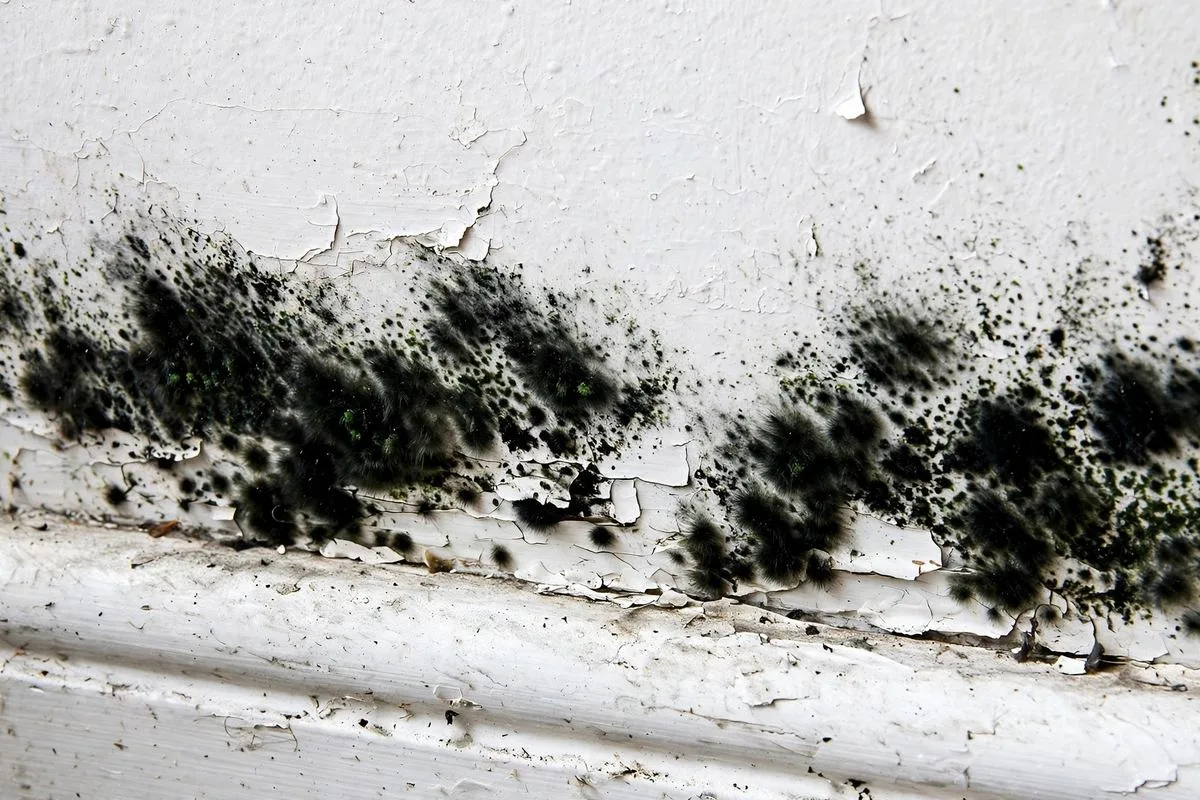
The kitchen is one of the most common places for mold in a Los Angeles home, and one of the easiest to miss. Slow leaks under the sink, a dishwasher supply line that drips for months, condensation behind the refrigerator, and steam from cooking all feed mold in the dark, enclosed spaces behind cabinets and appliances. By the time you can see it, it has usually been growing for a while.
Mold Removal Experts LA is a referral service. We do not perform the work ourselves. We connect you with independent local mold providers who inspect the kitchen, trace the moisture, and carry out the removal. Everything below describes what those providers do and what to expect when one visits your home.
One practical point before you book: if the mold is under the sink, take a photograph of the plumbing before the provider arrives, and note whether the dampness is worse after running the dishwasher or the tap. That timing tells the provider whether the leak is in the supply line, the drain, or the dishwasher connection.
Where kitchen mold hides
Kitchens give mold three things it needs: water, warmth, and food. Cabinet bases are often made of particleboard or MDF, which absorb water and grow mold quickly once wet. The spaces behind and under appliances are dark and rarely cleaned. And the plumbing under a kitchen sink — supply lines, drain traps, the garbage disposal connection — is a frequent source of slow, silent leaks.
The most common hiding places are the cabinet under the sink, the wall behind the dishwasher, the floor under the refrigerator where the ice-maker line runs, and the base of cabinets next to the sink or stove. Mold on a visible surface such as grout or a windowsill is usually a cleaning job; mold inside a cabinet or behind an appliance is a different matter and is worth a professional inspection.
Signs of mold in your kitchen
Kitchen mold often announces itself by smell before it is visible. A musty odour when you open a cabinet, a damp smell near the sink, or a smell that gets stronger when the dishwasher runs are all worth investigating. Other signs include:
- Dark spots or staining on the inside of cabinet walls or the cabinet floor
- Swollen, soft, or peeling cabinet bases, especially under the sink
- A musty smell when a cabinet door opens or the dishwasher runs
- Warped flooring near the sink, dishwasher, or refrigerator
- Recurring black growth on grout or caulk that returns quickly after cleaning
- A slow drip, stain, or water mark under the sink or behind an appliance
How providers handle kitchen mold
A provider starts with an inspection: checking under the sink, behind the dishwasher and refrigerator, and inside cabinets, and using a moisture meter to find how far dampness has spread. If the leak is still active, the water must be stopped first — often by a plumber — before remediation begins.
The remediation itself depends on what is affected. Surface mold on tile, grout, or metal can usually be cleaned in place. Porous materials that have absorbed water and mold — such as swollen cabinet bases or soaked drywall — often need to be removed and replaced, because cleaning cannot reach mold growing inside the material. Containment is used when the affected area is large, to keep spores from spreading through the rest of the home while work is underway.
Why the leak must be fixed first
Removing mold without fixing the leak that caused it is a short-term fix. In kitchens, the leak is usually small and easy to overlook: a loose supply-line connection, a worn dishwasher seal, a drain trap that seeps. A provider should identify the source during the inspection and tell you plainly what needs fixing, even when that fix is a plumber's job rather than a mold job.
After remediation, the area is dried and checked for remaining moisture. Providers in our network are expected to explain what was done, what was removed, and what to watch for afterwards — for example, checking under the sink monthly for the first few months after the repair.
What affects the cost
Kitchen mold jobs range from a small contained cleanup under one sink to a full cabinet and drywall removal when a leak has run for months. The size of the affected area, the materials involved, and whether plumbing repairs are needed all change the scope. No price can be quoted before an inspection. Our cost guide explains the factors that move a quote and publishes reported market ranges from named sources — labelled as reported ranges, never as our prices.
Preventing kitchen mold after remediation
Once the mold is removed and the area is dry, the prevention is mostly about the plumbing. Check under the sink monthly — a quick look and a sniff will catch a drip long before it becomes a problem. Look at the supply-line connections and the drain trap, and check the floor of the cabinet for dampness or staining. If the dishwasher was the source, check the seal and the supply line when the repair is done, and run the dishwasher once while you watch for leaks.
Ventilation matters in kitchens too. Cooking produces steam, and a range hood that vents outside removes it; a recirculating hood does not. If the kitchen has no working exhaust, steam condenses on cool surfaces — including the inside of cabinets — and feeds mold. Wiping up spills promptly, keeping the area under the sink dry, and fixing small drips as soon as they appear are the habits that keep a remediated kitchen from growing mold again.
Related pages
How a referral works
- Tell us about the mold. Where it is, how large the area looks, and whether there has been a leak or flood.
- We connect you with independent local providers. They do the inspection, testing, removal or remediation — we do not perform the work ourselves.
- The provider contacts you. They arrange the visit, explain what they found, and agree the work with you directly.
Frequently asked questions
How can I prevent mold under my kitchen sink?
Check under the sink monthly for drips, stains, or a musty smell, and look at the supply-line connections when you do. A small battery leak detector placed under the sink will sound an alarm at the first drip, which is far cheaper than the repair after months of silent leaking.
Will the provider need to remove my sink or dishwasher?
Usually not. Appliances are typically pulled out or moved aside so the provider can reach the wall and floor behind them, then put back. The appliance itself is only removed if it is the source of the leak, in which case a plumber is usually involved.
What if the leak is coming from the unit above me?
Tell the building manager or landlord in writing, and tell the provider too. The source is in another unit, so the repair has to be coordinated through the building, and the provider's inspection report — showing where the water came from — is the document that establishes responsibility.
How long will my kitchen be out of use?
A small contained job under one sink can take a day, and the rest of the kitchen usually stays usable. A larger job involving cabinet removal takes longer and may limit use of the sink area. The provider gives a timeframe after the inspection.
Can mold in the kitchen affect food stored nearby?
We do not give health advice. Food stored in a cabinet where mold is growing should be discussed with the provider during the inspection, and any food that has been in contact with visible growth should be thrown out rather than kept.
Should I run the dishwasher before the provider arrives?
No. If the dishwasher is the suspected source, running it adds more water to the area. Leave the appliance off, note when the smell or dampness is worst, and let the provider test it during the inspection.
Request a referral
Please note: online requests are not connected yet — the request form for this domain is still being set up. Your details are not sent when you submit this form. For the fastest response, please call (945) 422-7665.
Need mold help in Los Angeles?
Tell us where the mold is and how large the area looks. We will connect you with an independent local provider.
Request a referral Call (945) 422-7665
Mold Removal Experts LA is a referral service. We do not perform mold inspection, testing, or remediation. We connect you with independent local providers who do the work.