Mold Damage Restoration in Los Angeles
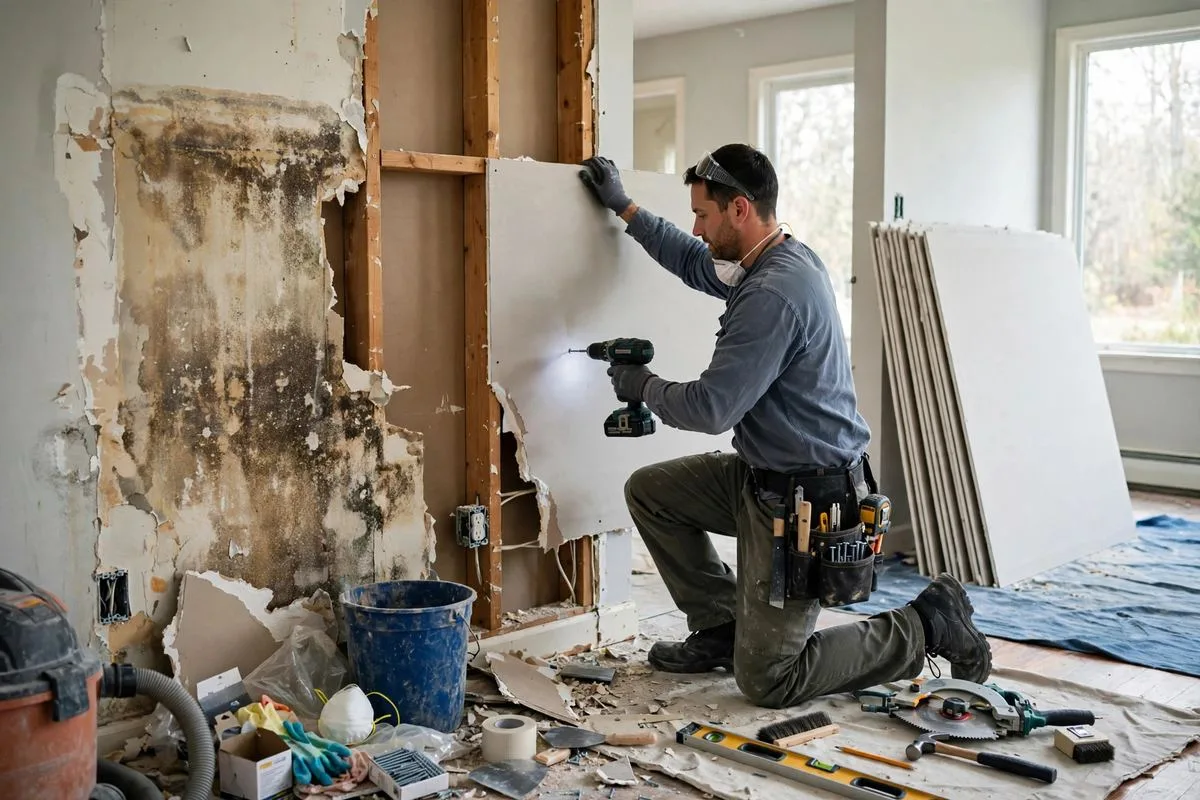
Remediation removes the mold. Restoration puts the home back together. The two are often confused, and the confusion matters, because they are different scopes of work with different costs. A homeowner who expects one price to cover both can be surprised when the remediation crew leaves and the walls are still open.
Mold Removal Experts LA is a referral service. We do not perform the work ourselves. We connect you with independent local mold providers who carry out remediation, and with providers who handle the restoration that follows. This page explains where remediation ends, where restoration begins, and what to ask before agreeing to either.
A note on timing: restoration should be scheduled only after the remediation provider confirms the area is dry in writing. Homeowners sometimes book the rebuild for the day after remediation, and then discover the drying needs more time — which pushes the whole schedule back. Build a few days of slack into the plan, and confirm the moisture readings before the contractor starts. Keep the remediation and restoration records together: the remediation provider's report, the contractor's invoices, and the verification results form one file, and that file is what an insurer asks for, what a future buyer asks for, and what a future provider needs if the problem ever returns. Confirm the schedule in writing before the contractor orders materials, so a drying delay does not leave materials sitting on site, and agree in advance who pays if the rebuild has to wait. Keep the contractor's phone number in the file, too.
Remediation and restoration are two different jobs
Remediation is the mold work: finding the moisture source, containing the area, removing affected materials, cleaning, drying, and verifying the area is clear. Restoration is the building work that follows: replacing drywall, insulation, flooring, cabinets, and trim, repainting, and returning the room to its previous condition.
Some providers do both. Others do remediation only and leave restoration to a contractor you choose. Neither arrangement is better in itself — what matters is knowing which one you are getting. A quote that covers remediation only is not a quote for restoration, and a provider should say plainly where their scope ends.
What restoration typically includes
Restoration work follows the remediation and the drying check. It usually includes:
- Replacing drywall, insulation, and trim that were removed during remediation
- Replacing flooring — carpet, padding, or wood — that could not be cleaned
- Rebuilding or replacing cabinets damaged by the leak or the remediation
- Repainting and refinishing the affected areas
- A final check that the rebuilt area is dry and the moisture source is fixed
The order of work matters
Restoration should not start until the remediation is finished and the area is dry. Rebuilding over damp framing or a still-active leak traps moisture inside the new work, and the mold returns behind the fresh drywall. A provider who wants to close a wall before the moisture readings are clear is cutting a corner.
The sequence is: fix the water source, remediate, dry and verify, then restore. When one provider handles the whole sequence, they should still follow it in that order. When remediation and restoration are done by different providers, the remediation provider's written record — what was removed, what was dried, and the final moisture readings — is what the restoration contractor works from.
Insurance and restoration
Restoration costs are often the larger part of a mold claim, because rebuilding a room costs more than cleaning it. Whether insurance covers restoration depends on the cause of the damage and the policy — sudden, accidental water damage is often covered, while long-term leaks usually are not. Our insurance guide explains that distinction in general terms; it is not insurance advice. Providers in our network supply the documentation insurers ask for: inspection findings, photographs, and a description of the work done.
What affects the cost
Restoration cost depends on how much was removed, the materials being replaced, and the finish level of the room. Replacing a section of drywall and repainting is a small job; rebuilding a kitchen or bathroom is a large one. Because restoration is a separate scope from remediation, it is usually quoted separately. No price can be quoted before an inspection. Our cost guide explains the factors and publishes reported market ranges from named sources.
Choosing materials for the rebuild
Restoration is the one part of a mold job where the homeowner's taste matters as much as the provider's skill, because the materials chosen now will live in the room for years. The practical question is not only what looks right, but what dries well and what shows a leak early. Tile and luxury vinyl flooring dry better than carpet in a room that has had a leak, and they show water sooner. Moisture-resistant drywall — often called green board — is a sensible choice for a bathroom or kitchen wall that was opened. Paint with a mould-resistant formulation is available, but it is a finish, not a fix: it does not stop mold if the wall gets wet again.
The contractor should explain the options and their costs before the work starts, and the quote should separate the like-for-like restoration from any upgrade. An insurer will generally pay for the restoration — returning the room to its previous condition — not for an upgrade to better materials. If you do choose an upgrade, the difference is your cost, and it should be agreed in writing before the work begins. Keep the contractor's invoices and the remediation provider's records together, because the insurance file needs both.
Related pages
How a referral works
- Tell us about the mold. Where it is, how large the area looks, and whether there has been a leak or flood.
- We connect you with independent local providers. They do the inspection, testing, removal or remediation — we do not perform the work ourselves.
- The provider contacts you. They arrange the visit, explain what they found, and agree the work with you directly.
Frequently asked questions
How do I choose a restoration contractor?
Use the remediation provider's written record — what was removed, what was dried, and the final moisture readings — as the scope, and get quotes from contractors on that same scope. A contractor who quotes without seeing the remediation record is guessing at the work.
Will restoration match my existing paint and flooring?
It depends on the materials. Paint can usually be matched closely; flooring and tile from an older installation may not be available in the same batch or colour. Discuss matching with the contractor before work starts, so there are no surprises.
Can I live in the home during restoration?
It depends on the scope. A single room can usually be restored while the rest of the home is used normally. A kitchen or bathroom rebuild, or work across several rooms, may make parts of the home unusable for a time. The contractor will advise.
Does restoration include fixing the leak?
No. Restoration rebuilds what was removed. Fixing the leak is a separate trade — a plumber for a pipe, a roofer for a roof — and it must happen before restoration, not during it.
How is restoration documented for insurance?
With photographs, invoices, and a work summary from the contractor, added to the remediation provider's records. Keep every document together in the claim file, and keep copies of all payments.
What if I want to upgrade materials during restoration?
That is your choice, and upgrades are your cost. Tell the contractor before work starts, so the quote separates the like-for-like restoration from the upgrade. An insurer will generally only pay for the restoration, not the upgrade.
Request a referral
Please note: online requests are not connected yet — the request form for this domain is still being set up. Your details are not sent when you submit this form. For the fastest response, please call (945) 422-7665.
Need mold help in Los Angeles?
Tell us where the mold is and how large the area looks. We will connect you with an independent local provider.
Request a referral Call (945) 422-7665
Mold Removal Experts LA is a referral service. We do not perform mold inspection, testing, or remediation. We connect you with independent local providers who do the work.