Mold Removal Services in Los Angeles
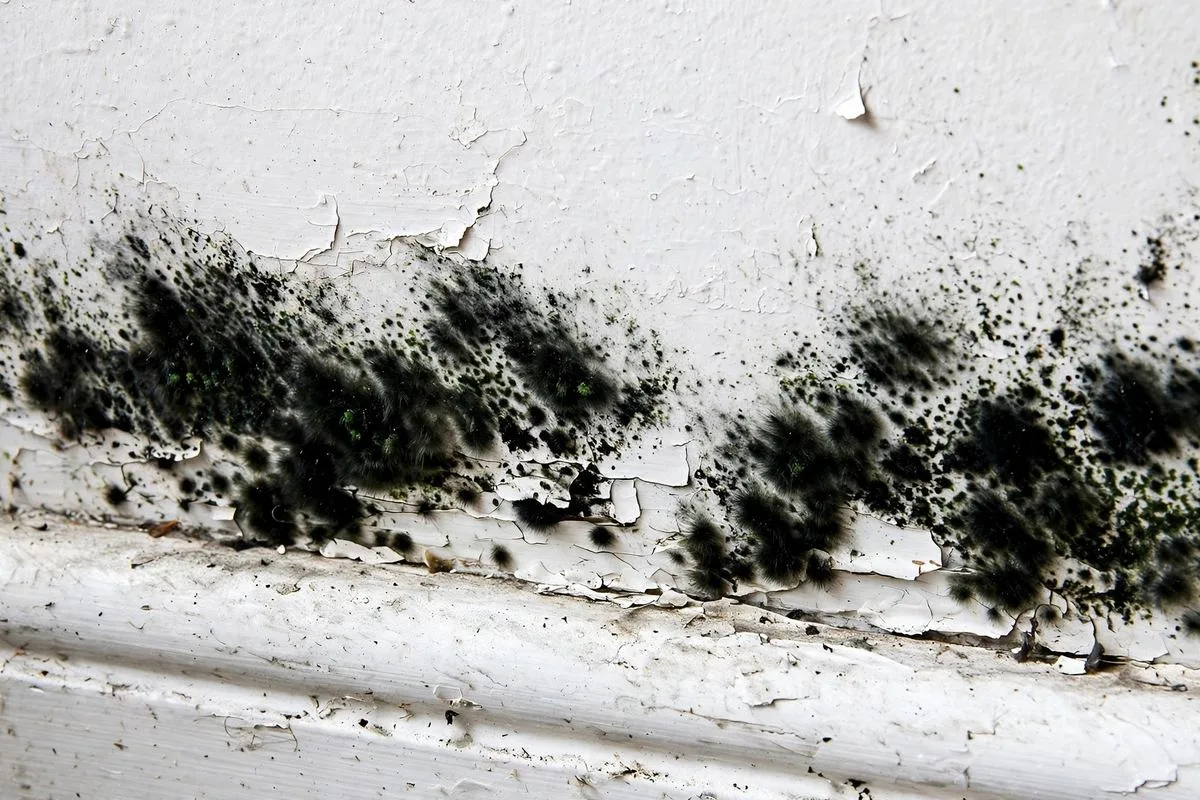
Mold removal in Los Angeles means the contained, physical removal of mold growth and the materials it has damaged, carried out by an independent local provider. It is the hands-on part of the job: the affected drywall, insulation or flooring comes out, the surfaces that can be saved are cleaned, and the area is dried. Mold Removal Experts LA does not perform this work itself. This site connects you with providers in its referral network, and the provider who takes your job performs the removal, discusses pricing with you, and explains the scope in writing before work begins.
Removal is not the same as wiping a surface clean. Mold grows into porous materials such as drywall, wood and insulation, and surface cleaning alone leaves growth inside the material. A provider removes the affected porous material, contains the work area so spores do not spread through the home, and cleans the remaining surfaces with methods suited to the material. The moisture source that fed the growth has to be found and fixed as part of the job, or the mold will return to the same place.
What mold removal includes
A mold removal job starts with the provider seeing the affected area and deciding what has to come out and what can stay. Porous materials that have been wet and colonized, such as drywall, insulation, carpet padding and some wood products, are usually removed. Hard, non-porous surfaces such as tile, glass and metal can often be cleaned and kept. The provider explains this distinction for your specific job before work starts, so you know what will be removed and what will remain.
Containment is part of the work, not an optional extra. The work area is sealed off from the rest of the home with sheeting, and the air inside the contained area is kept under negative pressure with filtered equipment so spores are drawn inward and captured rather than drifting into clean rooms. This is standard practice under the IICRC S520 standard for professional mold remediation, and it is one of the clearest differences between professional removal and a do-it-yourself attempt.
- Assessment of what must be removed and what can be cleaned
- Containment of the work area with sheeting and filtered air
- Removal of colonized porous materials such as drywall and insulation
- Cleaning of salvageable hard surfaces
- Drying of the structure before any rebuilding
Mold abatement and mold mitigation: the same work, different words
People searching for mold abatement or mold mitigation are looking for the same service as mold removal. Abatement is the term often used in regulatory and commercial settings for the removal or control of a hazardous material. Mitigation is the term often used by insurers and restoration companies for reducing the extent and impact of a problem. In practice, all three describe the contained removal of mold and the correction of the conditions that allowed it to grow.
This page covers all three terms because the service is the same, and there is no reason to send you to three different pages for one job. If a landlord, insurer or property manager asks for abatement, or a restoration company talks about mitigation, they are describing the removal work on this page. The provider you are connected with will use the wording your situation requires in the written scope.
- Mold abatement: the removal or control wording used in regulatory and commercial work
- Mold mitigation: the reduction wording used by insurers and restoration companies
- Mold removal: the plain description of the same contained removal work
Common causes of mold in Los Angeles homes
Most mold in Los Angeles traces back to water that stayed where it should not. Slow plumbing leaks are the most common cause: a supply line, drain or toilet seal that seeps for weeks or months inside a wall or under a floor. Roof leaks after winter rain are next, particularly on flat roofs and around flashing, vents and skylights. Slab leaks in post-war homes wet the slab and the flooring above it. Condensation from air conditioning, poor bathroom ventilation, and water heater or washing machine leaks round out the list.
The pattern differs by neighborhood and housing type. Older apartment buildings in Hollywood and Koreatown see bathroom and plumbing-stack leaks. Hillside homes in Silver Lake, Los Feliz and Pacific Palisades see drainage and slope water. Valley homes see air conditioning condensation and crawl space damp. A provider who works across Los Angeles recognizes these patterns and looks for the cause in the right place, rather than treating every job the same.
- Slow plumbing leaks inside walls and under floors
- Roof leaks after winter rain, especially flat roofs
- Slab leaks in post-war homes
- Bathroom ventilation that never worked properly
- Appliance and water heater leaks
- Coastal damp and crawl space moisture
The removal process, step by step
The provider begins by confirming the extent of the growth and the moisture source, often with moisture readings taken through the affected surfaces. The work area is then contained, and the affected materials are removed in sealed bags so spores are not carried through the house. Remaining surfaces are cleaned, and the structure is dried with air movement and dehumidification until moisture readings show it is dry enough to rebuild.
Rebuilding is a separate decision. Some providers rebuild what they removed; others leave the area clean, dry and ready for a separate contractor. The scope of work you receive before the job starts should say which it is. After the work, independent clearance testing can verify the area, and that testing should come from a separate provider, not from the company that did the removal. The post-remediation verification page explains how that works.
- Confirm the extent of growth and find the moisture source
- Contain the work area before any material is disturbed
- Remove affected porous materials in sealed bags
- Clean salvageable surfaces and dry the structure
- Verify the result with independent clearance testing
What affects the cost of mold removal
No price is quoted on this site, because the cost of mold removal depends on the job and only the provider who has seen it can quote it. The factors that move the price are straightforward: the size of the affected area, how many rooms are involved, whether the growth is in drywall, wood, insulation or a crawl space, how long the area has been wet, and whether containment, drying equipment and independent clearance testing are part of the scope.
A small, contained area in one room costs less to address than growth spread through several rooms or inside a wall cavity. Jobs that need structural drying take longer and use more equipment. The cost guide on this site explains these factors in more detail and links to the factors providers consider when they quote. Always get the scope and the price in writing from the provider before work begins, and ask what is included and what is not.
- Size of the affected area and number of rooms involved
- Materials affected: drywall, wood, insulation, flooring
- How long the area has been wet
- Containment, drying equipment and clearance testing in the scope
- Whether rebuilding is included or left to a separate contractor
Why the moisture source must be fixed first
Removing mold without fixing the water that fed it is a temporary job. The growth will return to the same place, often within weeks, because the conditions that allowed it have not changed. A provider who does the work properly traces the moisture first: the leak, the roof failure, the ventilation problem or the drainage issue, and either fixes it or tells you plainly what needs to be fixed by another trade before or alongside the removal.
This is also why a request for help should mention any leak you know about, even a small one. A dripping supply line, a stain that grows after rain, or a musty smell that appears when the air conditioning runs are all clues about the source. The more the provider knows before the inspection, the faster the source is found and the smaller the removal job tends to be.
- Mold returns to the same place if the water source remains
- The source may be a leak, a roof failure, ventilation or drainage
- Fixing the source is part of the job, not a separate afterthought
- Mention any leak or stain pattern when you request help
Related pages
How a referral works
- Tell us about the mold. Where it is, how large the area looks, and whether there has been a leak or flood.
- We connect you with independent local providers. They do the inspection, testing, removal or remediation — we do not perform the work ourselves.
- The provider contacts you. They arrange the visit, explain what they found, and agree the work with you directly.
Frequently asked questions
How long does mold removal take?
It depends on the size of the affected area and how long it has been wet. A small contained job in one room can take a day or two, including drying time. A larger job across several rooms, or one that needs structural drying and independent clearance testing, takes longer. The provider who scopes the job can give a realistic timeframe after seeing it.
Can you get rid of mold in a house completely?
Mold spores are present in the air everywhere, so the goal is not a spore-free house. The goal is removing the active growth and the damaged materials, drying the structure, fixing the moisture source, and verifying the result. When those steps are done properly, the problem is resolved and does not return to the same place.
How is mold removed from a home?
The work area is contained, affected porous materials are removed in sealed bags, salvageable surfaces are cleaned, and the structure is dried with air movement and dehumidification. The moisture source is fixed as part of the job, and independent clearance testing can verify the result afterwards.
What is the difference between mold removal and mold remediation?
Mold removal is the physical removal of growth and affected materials. Mold remediation is the full process around it: finding and fixing the moisture source, containment, removal, cleaning, drying and verification. This page covers removal; the mold remediation page covers the full process.
Should I stay in the house during mold removal?
It depends on the size of the contained area and the provider's advice. Small contained jobs often allow the rest of the home to be used normally. Larger jobs, or jobs involving people with health sensitivities, may call for staying elsewhere during the work. Ask the provider what they recommend for your specific job.
Does mold removal include rebuilding the walls?
Not always. Some providers rebuild what they removed, and others leave the area clean, dry and ready for a separate contractor. The written scope of work you receive before the job starts should state clearly whether rebuilding is included.
What does mold abatement mean?
Mold abatement is another term for the contained removal or control of mold, used most often in regulatory and commercial settings. It describes the same work as mold removal on this page, and the provider will use the wording your landlord, insurer or property manager requires.
Request a referral
Please note: online requests are not connected yet — the request form for this domain is still being set up. Your details are not sent when you submit this form. For the fastest response, please call (945) 422-7665.
Need mold help in Los Angeles?
Tell us where the mold is and how large the area looks. We will connect you with an independent local provider.
Request a referral Call (945) 422-7665
Mold Removal Experts LA is a referral service. We do not perform mold inspection, testing, or remediation. We connect you with independent local providers who do the work.