What Kills Black Mold Permanently?
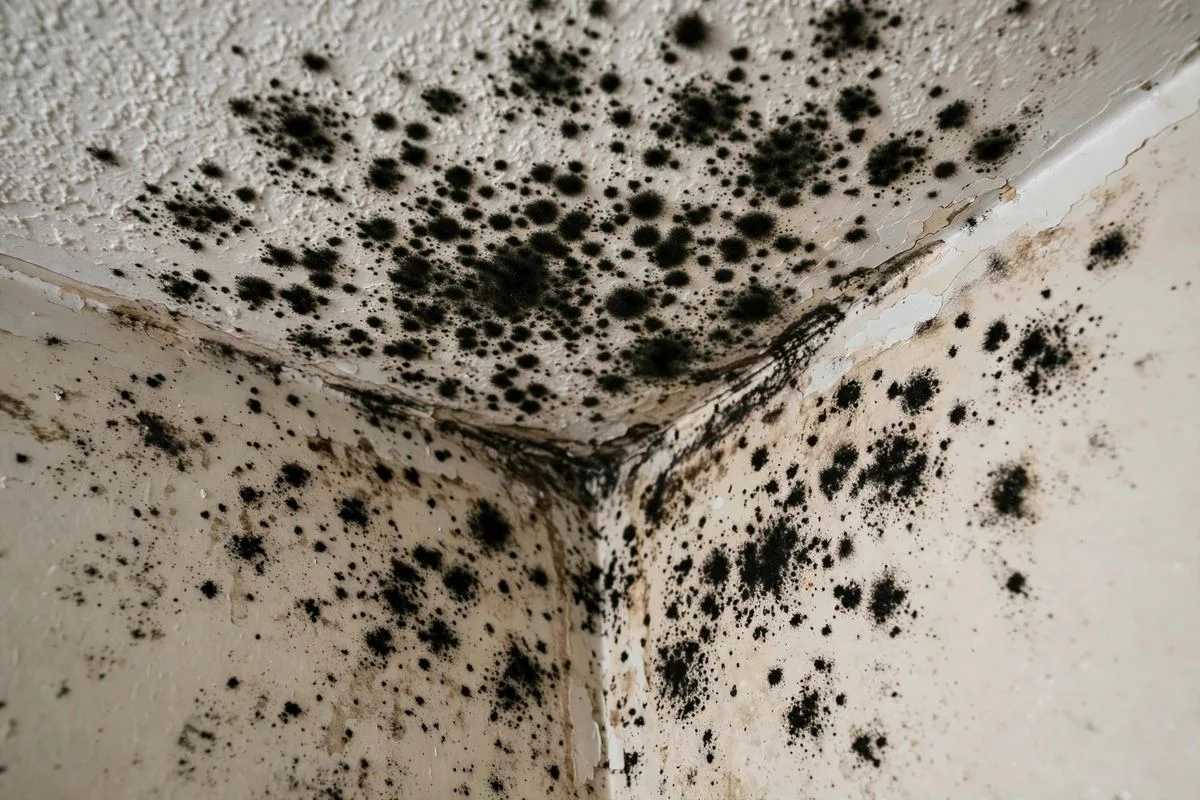
What kills black mold permanently is not a spray. Professional remediation removes the mold that is there, and fixing the moisture source keeps it from coming back. If the mold is removed but the leak, condensation or drainage problem remains, the mold returns. If the moisture is fixed but the moldy material is left in place, the mold that is already there stays. Both parts are needed, and that is the honest answer.
This post follows U.S. Environmental Protection Agency (EPA) guidance, and it is general information, not medical advice. Mold Removal Experts LA is a referral service that connects customers with independent local providers; it does not perform mold work itself.
What black mold is, and why the name matters
Black mold is a common name for Stachybotrys chartarum, a dark-coloured mold that grows on very wet materials that contain cellulose, such as drywall, wood, paper and some insulation. It needs a high level of moisture, and it usually appears where a material has been wet for a long time, such as after a slow leak, a roof leak, or flooding. It is often described as black or dark green, and it can look slimy or sooty when wet, and powdery when dry.
Stachybotrys is not the only dark-coloured mold. Aspergillus, Cladosporium, Chaetomium, Alternaria and other molds can also be dark, and they grow in many of the same places. Colour alone cannot identify a species, and only laboratory testing of a sample can confirm whether Stachybotrys is present. The post on how to tell if mold is black mold explains that point in detail. The name matters because a dark patch is often assumed to be Stachybotrys, and that assumption can lead to the wrong decision about whether testing is needed or what work should be done.
Why a spray does not kill black mold permanently
A spray can kill the surface growth it contacts, but it cannot dry out a wall that is still wet from a leak, and it cannot reach growth inside a porous material such as drywall or wood. Household bleach is mostly water, and on drywall the water soaks in while the chlorine stays near the surface and breaks down quickly. The visible growth may fade, because bleach removes colour, but the growth inside the material can survive and regrow when the surface gets damp again. Vinegar has the same limit: it can reduce surface mold on a hard surface, but it does not reach mold inside a porous material, and it does not fix the moisture source.
That is why a dark patch often looks clean for a few days after spraying and then returns in the same place. The spray did not fail because it was the wrong product; it failed because the problem was not only on the surface. The moisture source was still active, or the material was still wet, or the growth was inside the material rather than on it. Changing to a different spray does not change any of those three facts. The bleach and vinegar posts on this site cover those two cleaners in detail, and both reach the same conclusion.
What professional remediation does
Professional remediation, where it is needed, generally involves containing the affected area, removing damaged porous materials, cleaning and drying, and confirming the area is dry before repairs are made. Containment matters because disturbing mold can spread spores into other rooms, and it is especially important for a large patch or for mold in an air conditioning system. Porous materials that have been wet for a long time, such as drywall, carpet and insulation, usually need to be removed and replaced, not cleaned, because the growth is inside the material. Hard, non-porous surfaces can often be cleaned with water and detergent or a commercial cleaner, followed by thorough drying.
The EPA guidance is that if the moldy area is larger than about 10 square feet, or if the mold is in a heating, ventilation and air conditioning system, a professional should be hired. That threshold is a practical line, not a legal limit, and it reflects how much contamination and how much hidden growth a larger patch usually involves. A provider can also take moisture readings inside a wall, tell whether the material can be dried or should be removed, and recommend testing where the results will change a decision, such as a dispute, a home purchase, or clearance after remediation.
Staying gone depends on the moisture source
Removing the mold is only half the job. Staying gone depends on fixing the moisture source that let it grow. Common sources include a slow plumbing leak, a roof leak, condensation on a duct, poor ventilation in a bathroom or kitchen, and water entering through a foundation crack or retaining wall. Some sources are easy to see, such as a dripping trap under a sink. Others are hidden, such as a slab leak or a roof leak that only shows as a ceiling stain months later. Finding it usually takes moisture readings and a visual inspection of the area behind and around the patch, which is work for a provider with the right tools.
After the source is fixed, the area must be dried completely and kept dry. That may mean running a dehumidifier, improving ventilation, and watching the area for a few weeks to see whether the patch returns. If it returns, the source is still active, or the material was not fully dried or removed. That is the point to stop cleaning and ask a provider for an inspection. The post on what kills mold permanently makes the same point for mold in general, and the post on how to get rid of mold covers the EPA's 10-square-foot rule and the difference between cleaning and remediation.
What about fogging and other single treatments
Be cautious about any treatment that promises to kill black mold permanently from a spray, a fog, or a single application. Fogging and spraying can reach surfaces, but they do not remove damaged porous material, they do not dry a wet wall, and they do not fix a leak. The EPA and the IICRC S520 standard for professional mold remediation both emphasise physical removal of damaged porous materials, containment, and drying, rather than a chemical treatment alone. A product can be part of a remediation job, but it is not a substitute for removal, drying and a moisture fix. If a provider offers only a spray or a fog with no removal, no drying and no moisture fix, ask what happens to the wet material and to the leak.
The same caution applies to painting over mold. Paint covers the stain, but it does not remove the mold inside the material, and it does not fix the moisture source. The mold will continue to grow under the paint, and the paint will eventually peel or stain through. Physical removal, not a cover-up, is the standard that remediation follows, and fresh drywall should never go up over damp framing. That completion standard, drying to target moisture readings before rebuilding, is what post-remediation verification checks.
When to call a professional
Call a provider if the patch is larger than about 10 square feet, if it is on drywall, wood, carpet or insulation, if it is in an air conditioning system, if it follows sewage or floodwater, or if it keeps returning after cleaning. Also call a provider if the source cannot be found, if the home is being bought or sold, or if someone in the home has a health concern that makes cleaning inappropriate. A provider connected through this site can inspect the area, map the moisture, and recommend testing or remediation where needed. Post-remediation verification is a separate, independent check that the work is complete, and it is the step that confirms the mold is gone rather than only looking gone. The black mold remediation page explains what that service covers.
Published:
Related pages
Frequently asked questions
Does bleach kill black mold permanently?
No. Bleach can kill mold on hard, non-porous surfaces, but it does not reliably reach mold inside porous materials such as drywall, and it does not fix the moisture source. A dark patch often returns after bleaching if water is still getting in.
Can black mold be removed without tearing out drywall?
Sometimes, if the growth is only on the surface and the drywall is dry and sound. But drywall that is soft, stained through or still wet usually needs to be removed and replaced, because the growth is inside the material. A provider can take moisture readings inside the wall to tell which case applies.
How do I know the mold is really gone after remediation?
Post-remediation verification is the check that answers that question. It is an independent inspection, often including moisture readings and sometimes sampling, to confirm the area is dry and the work is complete. It is usually done by a provider who did not perform the remediation.
Will black mold come back if I fix the leak but do not remove the mold?
Yes, it can. Fixing the leak stops new water from reaching the material, but the mold that is already there can remain and can resume growing if the material gets damp again. Both parts are needed: remove or clean the moldy material, and fix the moisture source.
Need mold help in Los Angeles?
Tell us where the mold is and how large the area looks. We will connect you with an independent local provider.
Request a referral Call (945) 422-7665
Mold Removal Experts LA is a referral service. We do not perform mold inspection, testing, or remediation. We connect you with independent local providers who do the work.