How to Clean Shower Mold
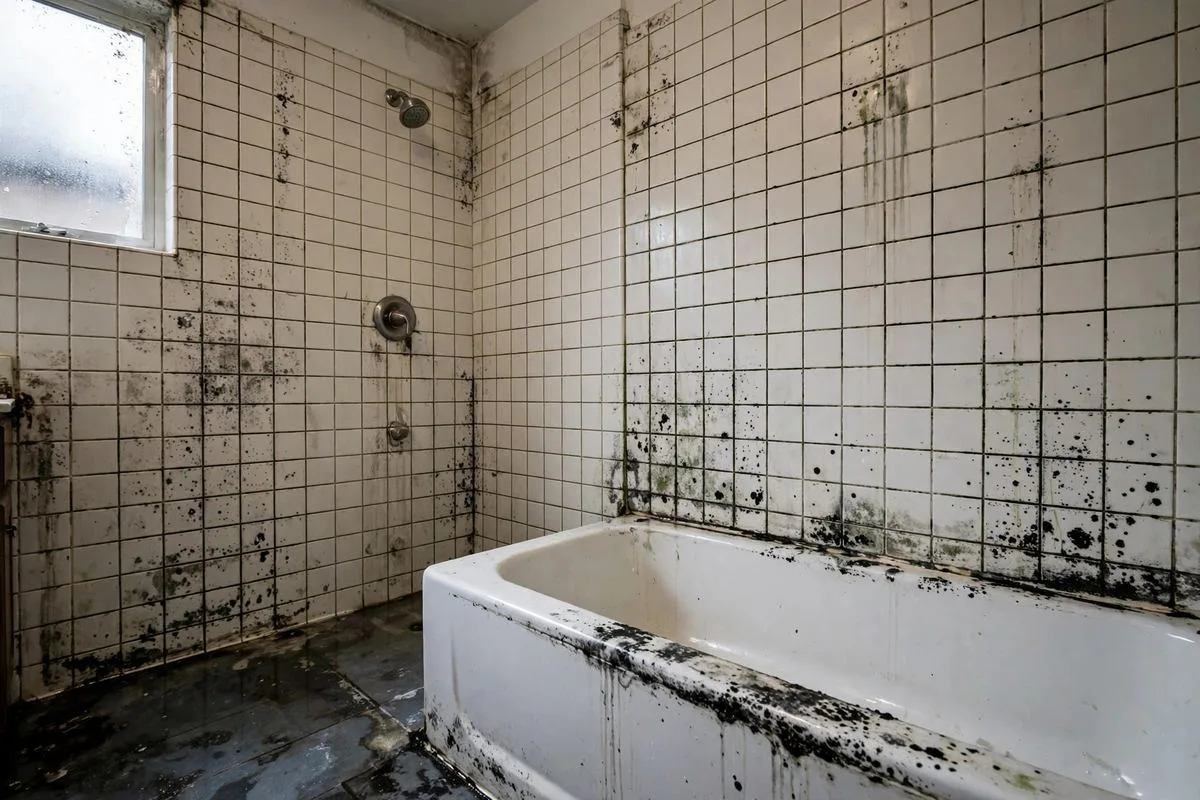
Shower mold is usually a cleaning job, not a remediation job, and this post is honest about that. Most shower mold grows on tile and grout in a warm, damp bathroom, and it can be cleaned with water and detergent or a commercial cleaner, followed by better ventilation and drying. This post is a DIY guide for that job. It also explains when shower mold is not only a cleaning job, and when a provider should be asked instead. That honesty matters: this post has near-zero commercial value as a lead generator, because most readers can clean their own shower, and it does not pretend otherwise.
This post is general information, not medical advice. Mold Removal Experts LA is a referral service that connects customers with independent local providers; it does not perform mold work itself.
Why mold grows in showers
A shower is warm, wet and often poorly ventilated. Every shower leaves tile, grout and caulk damp, and if the bathroom fan is not run long enough, or there is no fan at all, those surfaces stay damp for hours. Soap, body oils and shampoo leave a film on grout and caulk that mold can feed on. Grout is porous, so it holds moisture, and caulk can crack or pull away from the wall, letting water behind it. Over time, dark spots appear on grout lines, around the drain, and along the edge of the tub or shower tray.
The same conditions that grow mold on grout can also grow mildew on tile. The post on mold versus mildew explains the difference: mildew is usually a flat, powdery surface growth that is white, grey or light, while mold is usually thicker, fuzzier or darker, and can grow into a material. In a shower, both are common, and both are usually a surface problem rather than a leak inside the wall, although a patch that keeps returning despite cleaning and ventilation should be checked for a source behind the tile.
What you need to clean shower mold
You need gloves, eye protection, a scrub brush or an old toothbrush for grout lines, a commercial mold cleaner or water and detergent, and a way to ventilate the room. A bathroom fan, an open window, or a door left ajar will help. Do not use bleach on a large area, and never mix bleach with ammonia or other cleaners, because the combination can produce dangerous gases. The Centers for Disease Control and Prevention (CDC) warns against mixing bleach with other household chemicals. If you use bleach on a small area, ventilate the room and wear gloves and eye protection.
You do not need a special mold-killing product for most shower mold. Water and detergent, or a commercial cleaner labelled for tile and grout, can clean a small patch on tile, because the scrubbing and the drying matter as much as the cleaner. Vinegar can also be used on tile, although it should not be used on stone surfaces such as marble, because acid can etch them. The bleach and vinegar posts on this site cover those two cleaners in detail.
How to clean shower mold, step by step
First, ventilate the room and put on gloves and eye protection. Spray or apply the cleaner to the affected grout and caulk, and leave it for the time the product label recommends, usually about 10 to 15 minutes. Scrub the grout lines with a brush, working along the lines rather than across them, and scrub caulk gently so that it is not pulled away from the wall. Rinse the area with water, and then dry it completely with a towel or a squeegee. Drying matters as much as cleaning: grout that stays damp will grow mold again, even after a thorough scrub.
After cleaning, run the bathroom fan during and for at least 20 to 30 minutes after every shower, and leave the shower door or curtain open so that air can reach the tile. Wipe down tile and grout after a shower if you can, and keep the room dry between uses. If the grout is cracked or the caulk is pulling away, it should be repaired, because water getting behind tile can wet the wall and grow mold that cleaning cannot reach. If the patch returns quickly after cleaning despite ventilation and drying, the source behind the tile should be checked.
When shower mold is not only a cleaning job
Shower mold is not only a cleaning job when the patch is on drywall rather than tile, when the wall feels soft, when the tile is loose, when there is staining on the ceiling below the shower, or when the patch keeps returning despite cleaning and ventilation. Those signs suggest that water is getting behind the tile and wetting the wall, and cleaning the surface will not fix it. A provider can take moisture readings inside the wall and tell whether the wall can be dried or whether tile and drywall need to be removed.
Shower mold is also not a DIY job when it covers a large area, when it follows sewage or floodwater, or when someone in the home has a respiratory condition or a weakened immune system. In those cases, the safer step is to leave the area alone, avoid disturbing it, and ask a provider what to do next. The EPA guidance is that if the moldy area is larger than about 10 square feet, or if the mold is in a heating, ventilation and air conditioning system, a professional should be hired. That threshold is a practical line, not a legal limit.
Keeping shower mold from coming back
Keeping shower mold from coming back is a ventilation and drying job. Run the fan during and after every shower, leave the door or curtain open, and wipe down tile and grout if you can. Repair cracked grout and pulling caulk promptly, because water getting behind tile is the most common cause of a patch that keeps returning. If the bathroom has no fan, opening a window after a shower helps, and a small dehumidifier can help in a damp bathroom. If the grout is old and stained through, it may need to be removed and replaced, and the wall behind it should be checked for dampness at the same time.
If you have cleaned the shower, improved ventilation, and the patch still returns in the same place, that is the point to stop cleaning and ask a provider. The bathroom mold removal page explains what that service covers, and the mold inspection page explains what an inspection covers. A provider can check whether the wall behind the tile is wet, whether the shower pan or drain is leaking, and whether the material needs to be removed. Most shower mold does not need that step, and this post does not pretend that it does.
A note on what this post is for
This post is a DIY guide, and it is meant to help you clean your own shower. It is not a sales page, and it does not claim that every shower needs a professional. Most shower mold can be cleaned by a homeowner, and the steps above are enough for most cases. The bathroom mold removal page is linked below for the smaller number of cases where the problem is behind the tile, on drywall, or larger than a cleaning job. If your shower mold fits the DIY description in this post, clean it, dry it, ventilate the room, and watch it. If it does not fit, ask a provider. That distinction is the honest one, and it is the one this post is built around.
Published:
Related pages
Frequently asked questions
How do I clean mold in my shower?
Ventilate the room, wear gloves and eye protection, apply a commercial cleaner or water and detergent, leave it for the time the label recommends, scrub grout lines, rinse, and dry the area completely. Run the fan during and after every shower to keep it from returning.
Why does shower mold keep coming back?
Because grout stays damp, ventilation is too short, or water is getting behind the tile. If the patch returns quickly despite cleaning and ventilation, the grout or caulk may need repair, or the wall behind the tile should be checked for dampness.
Is shower mold dangerous?
Shower mold on tile and grout is usually a surface growth in a damp bathroom. Anyone with a health concern should talk to a health care provider; this post does not give medical advice. If the mold is on drywall, covers a large area, or follows sewage, ask a provider.
Should I use bleach in my shower?
Bleach can be used on a small patch on tile if the room is ventilated and bleach is never mixed with ammonia or other cleaners. Water and detergent or a commercial cleaner can also clean a small patch, and they do not carry the same fumes.
Need mold help in Los Angeles?
Tell us where the mold is and how large the area looks. We will connect you with an independent local provider.
Request a referral Call (945) 422-7665
Mold Removal Experts LA is a referral service. We do not perform mold inspection, testing, or remediation. We connect you with independent local providers who do the work.