How Long Does Black Mold Take to Grow?
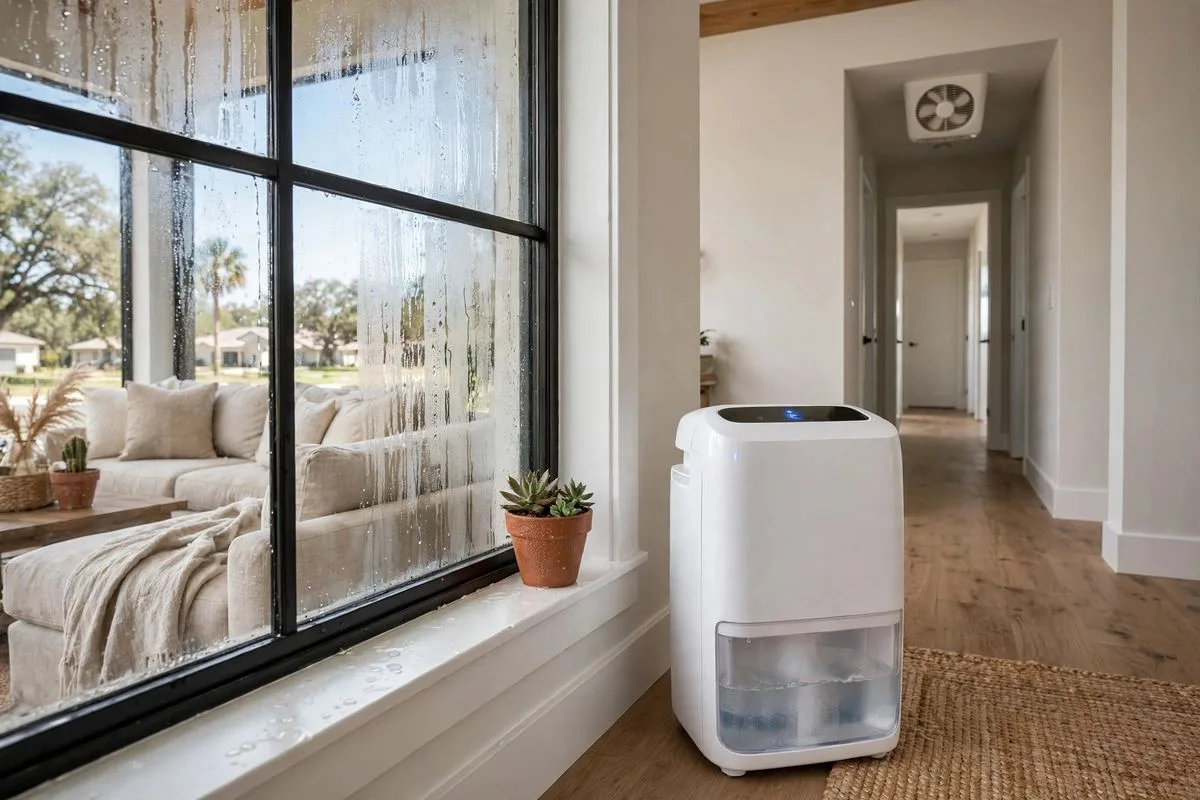
Black mold can start growing within 24 to 48 hours after a material gets wet, and visible growth can appear within a few days to a few weeks, depending on the material, the temperature and how wet it stays. That 24 to 48 hour window is the figure the U.S. Environmental Protection Agency (EPA) and the Federal Emergency Management Agency (FEMA) use for drying after water damage, and it is the most useful number in this post. It does not mean that a wall will be covered in black mold in two days, but it does mean that drying should start quickly.
This post explains the timeline, what speeds growth up, what slows it down, and what to do after a leak. It is general information, not medical advice. Mold Removal Experts LA is a referral service that connects customers with independent local providers; it does not perform mold work itself.
The 24 to 48 hour window
Mold spores are present in the air indoors and outdoors, and they can start growing when they land on a damp material that contains food for them, such as drywall, wood, paper or dust. The EPA and FEMA guidance is that wet materials should be dried within 24 to 48 hours to prevent mold growth. That window is based on how quickly mold can begin to grow on a wet surface, not on when it becomes visible. Growth that is not yet visible can still be present, and it can become visible days or weeks later if the material stays wet.
The window is a guide for drying, not a guarantee. A material that is dried within 24 to 48 hours is less likely to grow mold, but it is not guaranteed to stay clean, especially if it was very wet or if it stays humid. A material that stays wet for longer than 48 hours is more likely to grow mold, and the longer it stays wet, the more growth there is likely to be. That is why the first step after a leak is to stop the water and start drying, rather than waiting to see whether mold appears.
What speeds growth up
Warmth, humidity, darkness and still air all speed growth up. Mold grows fastest in warm temperatures, roughly between 77 and 86 degrees Fahrenheit, which is the temperature of many homes in summer. High humidity keeps surfaces damp, and a room that is closed and poorly ventilated stays damp longer than a room with airflow. Materials that hold water, such as drywall, carpet, insulation and paper, grow mold faster than hard surfaces such as tile or glass, because they stay wet longer and they provide food for the mold.
A slow leak speeds growth up in a different way: it keeps a material wet for weeks or months, so the mold has a long time to grow before anyone notices. A roof leak that only shows as a ceiling stain months later, a plumbing leak behind a wall, or a slab leak under a floor can all keep a material wet for a long time. That is why a patch that appears suddenly after a leak is often larger inside the wall than it looks on the surface. The post on what mold smells like covers the musty smell that can be the first sign of hidden growth.
What slows growth down
Drying, airflow, light and low humidity slow growth down. A material that is dried quickly, with airflow and low humidity, is less likely to grow mold, even if it got wet. Opening windows, running a fan, and using a dehumidifier can all help a room dry, although they are not a substitute for fixing a leak or for professional drying equipment where a large area is wet. A hard, non-porous surface that dries quickly is less likely to grow mold than a porous material that stays wet.
Cold slows growth down as well, although it does not kill mold. Mold can survive cold temperatures and resume growing when it warms up and gets wet again. That is why a material that was wet in winter and then dried may still grow mold in summer if it gets wet again. The only lasting way to slow growth down is to keep materials dry, which means fixing leaks, ventilating damp rooms, and drying wet materials quickly.
When visible growth appears
Visible growth can appear within a few days on a very wet material in a warm, humid room, and within one to two weeks on a material that stays damp. On drywall that has been wet for a long time, visible growth can appear as dark spots, staining or a fuzzy layer, often in a corner, along a baseboard, or on a ceiling below a leak. On wood, visible growth can appear as dark staining or a fuzzy layer on joists, rafters or subflooring. The time it takes depends on the material, the temperature, the humidity, and how wet the material stays, so there is no single number that fits every home.
Visible growth is usually only part of the problem. A patch that is visible on a wall often means that the material inside the wall is also wet and growing mold, and the visible patch is smaller than the damp area behind it. That is why a provider takes moisture readings inside a wall rather than only looking at the surface. If a patch appears after a leak, the area behind and around it should be checked, even if the visible patch is small.
What to do after a leak
After a leak, stop the water first, then start drying. Turn off the water if the leak is from plumbing, and call a plumber or roofer for the repair, because mold work and leak repair are different trades. Remove wet items that can be moved, such as rugs, furniture and boxes, and dry them outside the affected room if possible. Open windows and run fans to move air, and use a dehumidifier if you have one. Do not use a household vacuum on wet mold, and do not dry-brush or tear open a wall to look for mold, because that can spread spores into the air.
If the wet area is large, if the material is drywall, carpet or insulation, if the water is from sewage or flooding, or if the area stays wet after 48 hours, ask a provider for an inspection. A provider can take moisture readings, tell whether the material can be dried or should be removed, and recommend testing or remediation where needed. The water-damage mold cleanup page explains what that service covers, and the post on how to get rid of mold covers the EPA's 10-square-foot rule and when to call a professional.
Why the timeline matters for a home purchase or a rental
The timeline matters because a leak that happened weeks ago can already have growth inside a wall, even if nothing is visible yet. When buying a home, a mold inspection can check for moisture and growth that a general home inspection may only note in passing, especially in an older home with a remodelled bathroom or kitchen. When renting, a leak should be reported to the property owner or manager promptly and in writing, because the longer a material stays wet, the more growth there is likely to be. California law treats visible mold that endangers health as a substandard building condition under Health and Safety Code section 17920.3, and landlords have habitability duties under Civil Code section 1941.1. The tenant-rights guide on this site gives general information, not legal advice.
Published:
Related pages
Frequently asked questions
Can black mold grow in 24 hours?
Mold can start growing within 24 to 48 hours after a material gets wet, although visible growth usually takes longer, from a few days to a few weeks. The 24 to 48 hour window is the EPA and FEMA guidance for drying after water damage, and it is a guide for drying, not a guarantee.
Does mold grow faster in summer?
Yes, usually. Mold grows fastest in warm temperatures, roughly between 77 and 86 degrees Fahrenheit, and high humidity keeps surfaces damp. A warm, humid, closed room will grow mold faster than a cool, dry, ventilated one.
Can mold grow if I cannot see any water?
Yes. A slow leak behind a wall, under a floor or in a slab can keep a material wet for weeks without any visible water. A musty smell, a ceiling stain, or warped flooring can be the first sign. Only moisture readings can confirm whether a hidden material is wet.
How long after a flood should I worry about mold?
Drying should start within 24 to 48 hours, and any material that stays wet after that window is more likely to grow mold. If the wet area is large, if the water is from sewage or flooding, or if the material is drywall, carpet or insulation, ask a provider for an inspection rather than waiting to see whether mold appears.
Need mold help in Los Angeles?
Tell us where the mold is and how large the area looks. We will connect you with an independent local provider.
Request a referral Call (945) 422-7665
Mold Removal Experts LA is a referral service. We do not perform mold inspection, testing, or remediation. We connect you with independent local providers who do the work.