How to Remove Mold From Wood
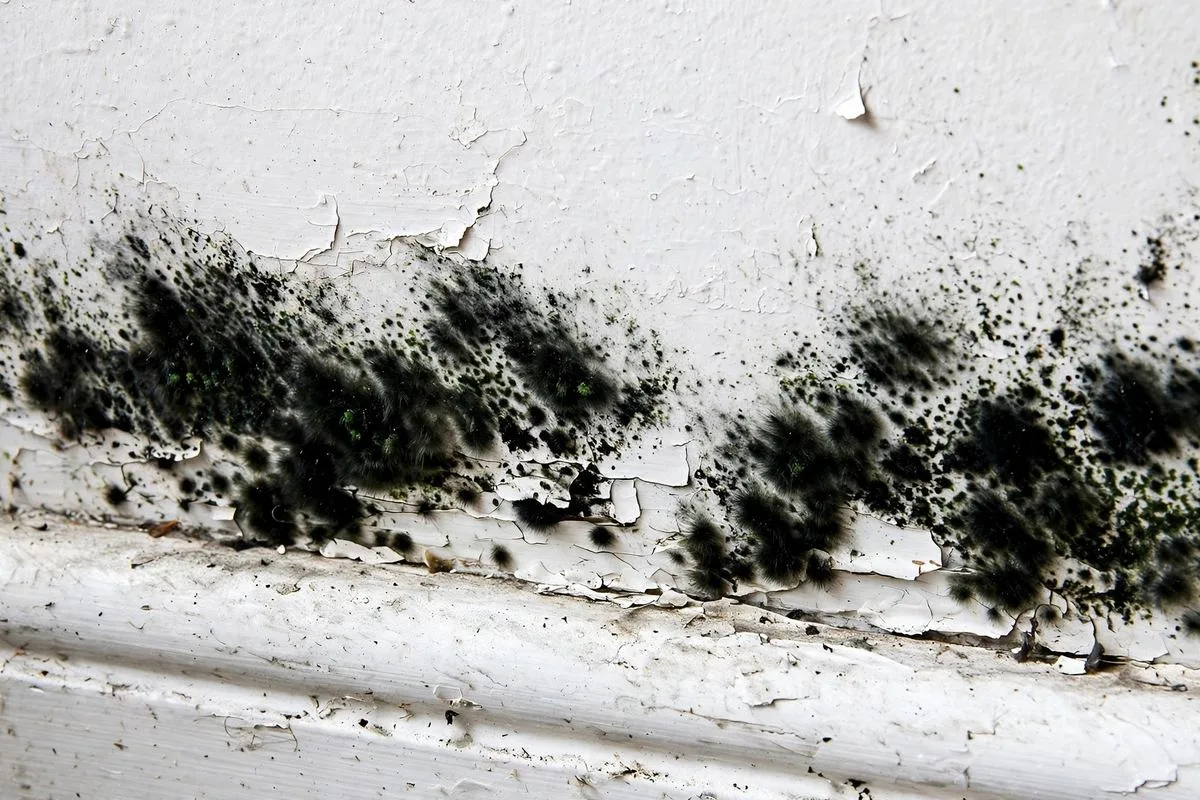
Removing mold from wood depends on how deep the growth goes and how wet the wood is. Surface mold on a sealed or hard wood surface can sometimes be cleaned, but mold that has grown into unsealed wood, or wood that is soft, stained through or still wet, usually needs drying with professional equipment or removal and replacement. That is the short answer, and it is why a single cleaning method does not fit every wood surface.
This post explains how to tell surface growth from deeper growth, how to clean wood safely where cleaning is appropriate, and when to call a provider instead. It is general information, not medical advice. Mold Removal Experts LA is a referral service that connects customers with independent local providers; it does not perform mold work itself.
Why wood is different from tile
Wood is porous. It absorbs water, and mold can grow into its fibres rather than only on its surface. On glazed tile or glass, a cleaner sits on the surface where the mold is, and scrubbing can remove it. On unsealed wood, the liquid from a cleaner soaks into the wood, and the active ingredient may not reach the growth inside. The visible patch may fade after scrubbing, because the scrubbing removes the surface growth, but the mold inside the wood can survive and regrow when the wood gets damp again.
Sealed wood is different. A painted, varnished or sealed wood surface is closer to a hard, non-porous surface, and a small patch on it can sometimes be cleaned in the same way as tile. Unsealed wood, including framing, joists, subflooring and unfinished furniture, is porous, and a patch on it is harder to clean thoroughly. The U.S. Environmental Protection Agency (EPA) notes that porous materials that have been wet for a long time usually need to be removed and replaced, not cleaned. That guidance applies to wood as much as to drywall and carpet.
How to tell surface growth from deeper growth
Look at the wood itself. If the surface is hard, the stain is only on the surface, and the wood feels dry, the growth may be superficial. If the wood feels soft, spongy or crumbly, if the stain goes deep into the wood, or if the wood is still damp, the growth is likely deeper, and the wood may be damaged. A moisture meter can measure how wet the wood is, and a provider can use one to tell whether the wood can be dried and cleaned or whether it should be removed.
Also look at the source. A patch on wood near a leak, in a damp attic or crawl space, or on a wall that stays wet is more likely to be deep, because the wood has been wet for a long time. A patch on a piece of furniture that got wet once and then dried is more likely to be superficial. If the patch returns after cleaning, that is a sign that the wood is still wet or that the growth is inside the wood, and cleaning alone is not enough.
Cleaning a small patch on sealed or hard wood
If the patch is small, well under the EPA's 10-square-foot threshold, on a sealed or hard wood surface, and the moisture source is already fixed, cleaning can be done with water and detergent, or with a commercial mold cleaner labelled for wood. Wear gloves and eye protection, ventilate the room, and avoid dry brushing or vacuuming the patch, because that can spread spores into the air. Scrub the surface gently, rinse if the product calls for it, and then dry the area completely. Drying matters as much as cleaning: wood that stays damp will grow mold again, even after a thorough scrub.
Do not use bleach on a large area, do not mix bleach with ammonia or other cleaners, and do not use a household vacuum on mold. If the wood is unsealed, be cautious about using a liquid cleaner, because the liquid will soak into the wood and may not reach the growth inside. If the patch is on a piece of furniture, move it outside if possible before cleaning, so that spores are not spread inside the home. If the patch is on structural wood, such as framing or joists, do not assume that cleaning will be enough, and ask a provider whether the wood should be dried, treated or removed.
When wood must be dried, treated or removed
Wood that is soft, stained through, or still wet after the source is fixed usually needs more than cleaning. A provider can dry the wood with professional equipment, measure moisture levels inside the wood, and tell whether it can be saved. In some cases, the surface can be sanded or treated after drying, and the wood can be kept. In other cases, the wood is too damaged or too wet to save, and it needs to be removed and replaced. That decision depends on how deep the growth goes, how wet the wood is, and whether the wood is structural.
Attic and crawl space wood deserves special attention. Joists, rafters and subflooring in those spaces can stay damp for months, and the growth can spread across a large area before it is noticed. The attic mold inspection and crawl space mold treatment pages explain what providers look for in those spaces. If the wood in an attic or crawl space is soft or stained through, do not try to clean it yourself, and ask a provider for an inspection.
Fixing the moisture source first
Before cleaning wood, find and fix the water source. Common sources include a roof leak, a plumbing leak, condensation on a duct, poor ventilation in a bathroom or kitchen, and water entering through a foundation crack. A patch on wood that keeps returning after cleaning is telling you that water is still getting in. Cleaning it again does not change that. The source could be a slow leak that only shows as a stain months later, or a duct that sweats in summer. Finding it usually takes moisture readings and a visual inspection of the area behind and around the patch, which is work for a provider with the right tools.
After the source is fixed, the wood must be dried completely. That may mean running a dehumidifier, improving ventilation, and waiting for moisture readings to fall to a dry level. If the wood is still damp after a few days, the source has not been fixed, or the wood is holding water and needs professional drying or removal. Watch the area for a few weeks after cleaning. If the patch returns, the source is still active, or the wood was not fully dried.
Companion hazards and other trades when wood is involved
Wood that needs mold work is often in an older home, and in Los Angeles many older homes were built before 1978. In those homes, removing or sanding wood can raise a second question: asbestos and lead. Lead paint was used on wood trim, doors and windows in homes built before 1978, and asbestos was used in some building materials, including some insulation and floor tiles. Sanding or removing painted wood can disturb lead paint, so a provider should be asked how they handle that risk, whether testing is needed before work starts, and whether a specialist is brought in. Mold Removal Experts LA does not offer asbestos or lead testing or abatement, and mold providers do not offer it as part of mold work; where those hazards are suspected, a specialist in that field is the right call, and a mold provider can coordinate with them.
Wood mold work can also involve other trades. A roof leak that wet the rafters needs a roofer, a plumbing leak that wet the subfloor needs a plumber, and mold in an air duct or heating and cooling system may need an air-duct and HVAC restoration specialist to clean and restore the system after the mold is removed. Those are adjacent trades, not mold services. Ask a provider what their scope covers, what they coordinate with other trades, and what should happen after their work is done, so that the leak is fixed and the wood is dried before any rebuilding.
When to call a professional
Call a provider if the patch is larger than about 10 square feet, if the wood is soft, stained through or still wet, if the wood is structural, if the mold is in an attic, crawl space or air conditioning system, or if it follows sewage or floodwater. Also call a provider if the source cannot be found, or if someone in the home has a health concern that makes cleaning inappropriate. A provider connected through this site can inspect the area, map the moisture, and recommend testing or remediation where needed. The wood mold remediation page explains what that service covers, and the post on how to get rid of mold covers the EPA's 10-square-foot rule in more detail.
Published:
Related pages
Frequently asked questions
Does mold affect engineered wood differently from solid wood?
Yes, in how it is handled. Solid wood can sometimes be dried, sanded and treated if it is structurally sound, because the growth is in the surface fibres. Engineered wood, such as laminate flooring or engineered joists, has layers and adhesives that can delaminate when wet, and once it swells or separates it usually cannot be restored by sanding. A provider can tell whether a particular wood product can be dried and kept or should be replaced.
Can I keep wood furniture that has mold on it?
Often, yes, if the furniture is solid wood, the growth is only on the surface, and the piece can be moved outside, cleaned, and dried completely. Upholstered furniture is different: fabric and padding are porous and hold moisture, so a mouldy cushion or upholstered chair is much harder to clean thoroughly. If the furniture is valuable or the growth is extensive, ask a provider whether it can be cleaned or should be discarded.
How dry does wood need to be before it is rebuilt or painted?
Providers measure wood moisture with a meter and compare the reading with a dry reference from an unaffected area of the same home, rather than relying on a single universal number. The wood should be dry to the provider's target reading and stay dry over more than one reading before new drywall, flooring or paint goes over it. Fresh material over damp wood traps moisture and lets mold resume growing.
Should I sand mold off wood myself?
Sanding can remove surface growth on dry, sound wood, but it should not be done on a large area, on structural wood, or on painted wood in a pre-1978 home, because sanding can spread spores and, where lead paint is present, lead dust. Wear protective equipment, work outside if possible, and ask a provider first if the wood is structural, the patch is large, or the home was built before 1978.
Need mold help in Los Angeles?
Tell us where the mold is and how large the area looks. We will connect you with an independent local provider.
Request a referral Call (945) 422-7665
Mold Removal Experts LA is a referral service. We do not perform mold inspection, testing, or remediation. We connect you with independent local providers who do the work.